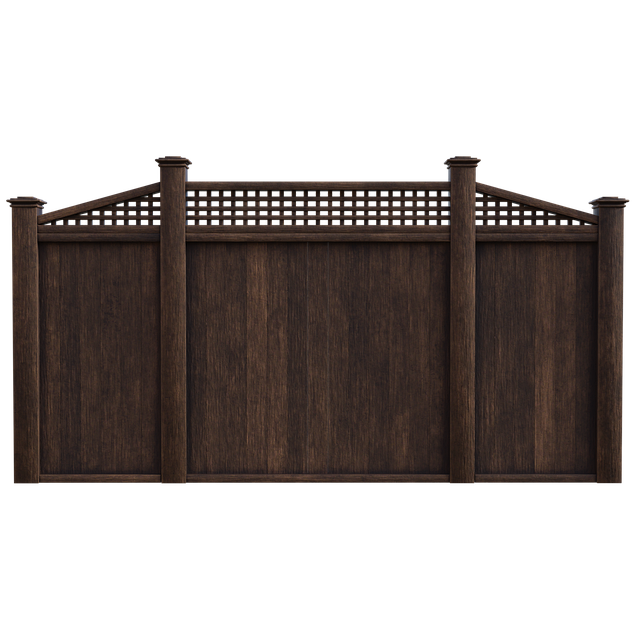
In the picturesque coastal city of New Bedford, Massachusetts, enhancing your outdoor space with a wooden fence offers both aesthetic appeal and practical benefits. This comprehensive guide delves into the intricacies of hiring professional installation services, detailing every step from initial planning to post-installation care. We explore why wood fences are a popular choice in New Bedford, highlighting their durability, low maintenance, and charming character that complements local properties. Prepare to transform your outdoor environment with expert guidance tailored to this unique setting.
- Understanding Wooden Fence Installation Process
- Benefits of Choosing Wood Fences in New Bedford
- Preparation for Your Installation Project
- Step-by-Step Guide to a Successful Installation
- Post-Installation Care and Maintenance Tips
- Local Regulations and Permits for Fencing
Understanding Wooden Fence Installation Process
The wooden fence installation process involves several key steps to ensure a sturdy and aesthetically pleasing barrier. It begins with assessing the site, considering factors like terrain, existing structures, and your specific needs. Professionals will then measure and mark out the perimeter, preparing the ground accordingly. Next, posts are set in place, serving as the foundation for the fence. These posts must be properly secured to ensure stability and longevity.
After the posts are firmly in the ground, horizontal rails are attached, providing support for the fence panels. The panels themselves are then installed, either nailed or screwed into the rails. The final touch involves sealing and finishing the wood, protecting it from the elements and enhancing its appearance. This meticulous process guarantees a high-quality fence that can withstand time and weather.
Benefits of Choosing Wood Fences in New Bedford
Wooden fences offer numerous advantages for homeowners in New Bedford, Massachusetts. One of the most appealing attributes is their natural beauty and versatility in enhancing outdoor spaces. Wood provides a warm, inviting ambiance, complementing various architectural styles of homes in the area. From classic Victorian to modern contemporary designs, wooden fences can seamlessly blend with surrounding landscapes, creating a cohesive and aesthetically pleasing environment.
Furthermore, wood fences are highly durable and low-maintenance options for New Bedford residents. They can withstand harsh weather conditions, including windy storms and snowfalls, without compromising structural integrity. Regular cleaning and minimal repairs ensure these fences remain in excellent condition for years, providing long-term value and security to property owners.
Preparation for Your Installation Project
Before your wooden fence installation in New Bedford begins, there are several preparation steps to ensure a smooth and successful project. Start by clearing the area where the fence will be erected, removing any vegetation, debris, or existing structures that might interfere. This includes trimming trees, shrubs, and hedges, as well as taking down old fences or gates. A clear work zone is essential for efficient installation and safety.
Additionally, assess the layout and measurements of your desired fence line. Ensure you have accurate dimensions and consider any local regulations or property boundaries. Prepare the ground by levelling it if necessary, as a flat surface is required for a secure fence post placement. This preparation phase sets the foundation for a well-built and durable wooden fence that will enhance your New Bedford property for years to come.
Step-by-Step Guide to a Successful Installation
A successful wooden fence installation starts with proper planning and preparation. First, measure and mark the perimeter of your desired fence location accurately, ensuring it aligns with local regulations and property lines. Next, choose the suitable fence style and material, considering factors like durability, aesthetics, and budget. Obtain necessary permits from the relevant authorities before purchasing materials or hiring professionals.
On the installation day, clear the work area of any debris or obstructions. Dig post holes at the marked locations using a post-hole digger, ensuring they are deep enough for stable support. Place the fence posts in the holes, check their levelness, and use concrete to secure them firmly in place. Then, attach the horizontal rails and panels, following manufacturer instructions for proper fastening techniques. Finally, inspect the entire fence for stability, make any necessary adjustments, and enjoy your newly installed wooden fence.
Post-Installation Care and Maintenance Tips
After your wooden fence is installed, proper care and maintenance will ensure its longevity and beauty. Start by cleaning the fence regularly to remove any dirt or debris that might accumulate. Use a soft brush or sponge with mild soap and warm water for this task. Avoid using harsh chemicals as they can damage the wood.
Inspect your fence periodically for any signs of wear, rot, or pest infestation. Repair or replace any damaged sections promptly to prevent further deterioration. Keep the fence painted or stained to protect it from the elements. A fresh coat of finish every few years will help maintain its aesthetic appeal and structural integrity.
Local Regulations and Permits for Fencing
When planning to install a wooden fence in New Bedford, Massachusetts, understanding local regulations and permitting requirements is essential. The city or town often has specific guidelines regarding fencing, including height restrictions, setback rules, and material preferences. These regulations aim to maintain the aesthetic and functional integrity of neighborhoods while ensuring fair and safe practices among residents.
Before beginning any construction, homeowners should research and obtain necessary permits from the local building department. Permits ensure that fence installations comply with safety standards and zoning laws. They also provide a clear framework for what is allowed, protecting both property owners and the community. Understanding these regulations upfront can save time and potential legal issues during or after the installation process.